3498
Summer Hair Loss Prevention: Why Shedding Increases and How to Stop It
Published
Updated
Views
1389
Hair shedding can increase during the summer due to factors like UV exposure, heat, and excess scalp oil. These seasonal changes can disrupt the hair growth cycle and contribute to temporary hair loss if not properly managed.
If you are noticing more hair fall during warmer months, it may be linked to sun exposure and scalp condition rather than permanent hair loss. UV hair damage, sweat buildup, and inadequate scalp care can all play a role in summer hair shedding. Understanding how these factors affect your scalp and how to protect it with the right care routine can help reduce hair loss and maintain healthier hair throughout the season.
Summer Hair Loss Prevention
Summer heat doesn’t just make you sweat — it directly affects your scalp’s health. Prolonged UV exposure, trapped sebum, and overheated follicles can collectively lead to increased hair fall. That’s why building a targeted routine for summer hair loss prevention is essential for anyone concerned about seasonal thinning.
The Role of UV Radiation in Hair Loss
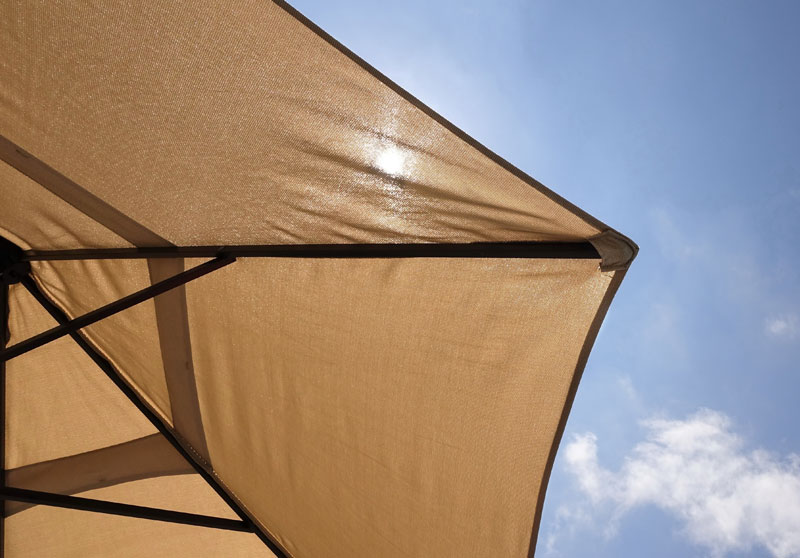
UV rays penetrate the hair shaft and damage the cuticle, causing dryness, brittleness, and premature color fading. On the scalp, these rays break down collagen and protein bonds while generating oxidative stress that inflames hair follicles. These changes weaken hair’s structure and accelerate the shift into the telogen (shedding) phase.
Moreover, inflammation triggered by UV hair damage can disrupt normal hair growth cycles. Once follicles are inflamed, they’re less likely to support strong, consistent hair growth — leading to thinner strands and excessive seasonal loss.
For those with color-treated or thinning hair, UV protection is even more critical. Color pigments break down faster in the sun, leaving strands weak and porous. Wearing hats, using leave-in SPF sprays, and applying products with scalp sun protection should be part of your daily summer defense.
Why Scalp Cooling Helps Prevent Summer Shedding
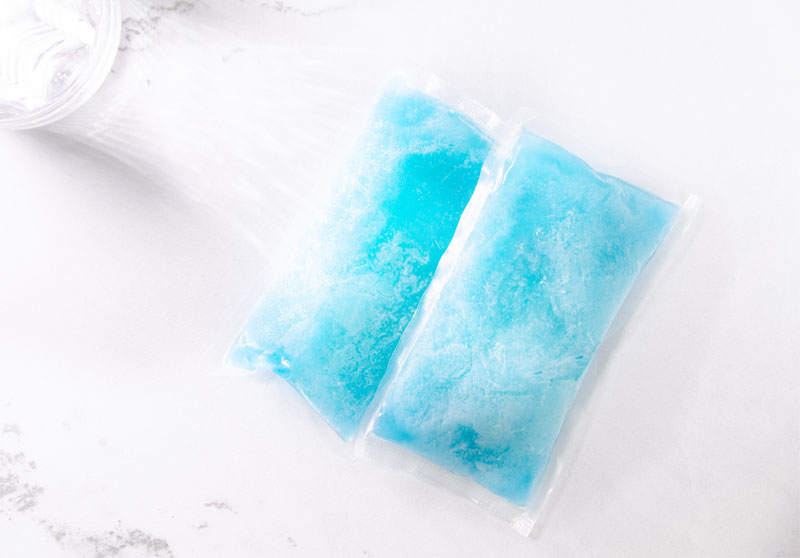
As temperatures rise, so does scalp surface heat — and that heat can over-activate sebaceous glands and interrupt the follicular environment. A cooler scalp retains hydration better and supports steady blood flow, which is essential for delivering oxygen and nutrients to follicles.
Cooling shampoos, especially those containing peppermint, tea tree oil, or eucalyptus, can provide immediate relief and reduce thermal stress. These shampoos often improve scalp circulation while offering a refreshing, tingling sensation that lowers inflammation.
In addition to shampoos, incorporating cool rinses post-sun exposure and storing your products in the fridge can have added benefits. Scalp sprays or scalp mists formulated with soothing botanicals and thermal water can calm redness and help follicles recover more quickly from heat stress.
Best Practices for Summer Scalp Care
A solid summer scalp care routine also involves exfoliating away dead skin cells and managing oil buildup. Choose lightweight exfoliants with salicylic acid or bamboo charcoal to keep follicles unclogged without stripping natural oils.
Using SPF mists or powders designed specifically for scalps can protect exposed areas — particularly around part lines or thinning spots. Applying sunscreen to the scalp might sound excessive, but it's a crucial step in modern summer hair loss prevention.
Scalp Mists for 2025
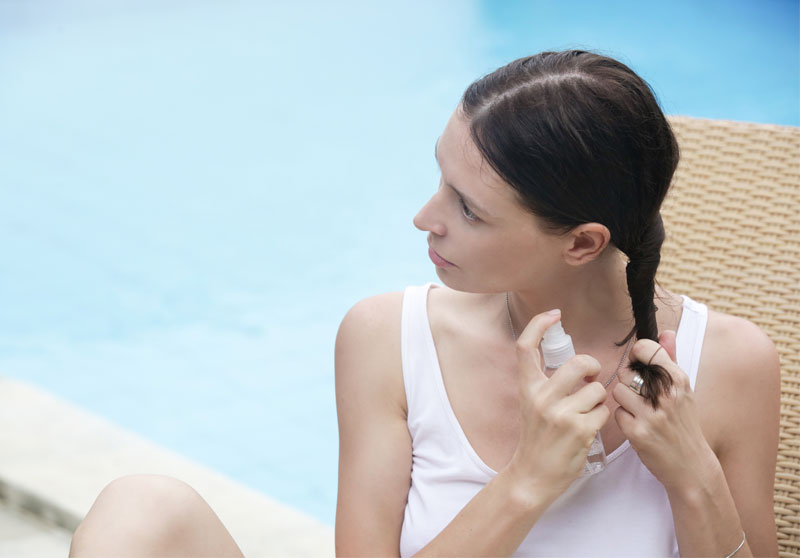
Scalp mists have become one of the most talked-about innovations in summer scalp care — especially in 2025. Designed to hydrate, cool, and protect, these portable sprays combine multiple benefits in a single application. For individuals on the go or those with fine, heat-sensitive hair, they offer a low-effort, high-reward solution.
Key Ingredients to Look for in a Scalp Mist
The most effective mists are formulated with humectants like hyaluronic acid and glycerin, which draw moisture into the scalp without making hair greasy. Anti-inflammatory ingredients such as chamomile, calendula, and green tea help reduce heat-induced irritation, while niacinamide and panthenol strengthen the scalp barrier.
Cutting-edge options even include light SPF filters, allowing for seamless scalp sun protection throughout the day. Many 2025 formulations also feature microfine sprays for even distribution — critical when dealing with delicate or thinning hairlines.
For those concerned with summer hair shedding, mists containing caffeine or rosemary extract may help stimulate microcirculation, thereby supporting follicular health even during high-stress summer months.
When and How to Use Scalp Mists
Scalp mists are highly versatile and can be applied in the morning before heading out, after exercise, or anytime your scalp feels hot or itchy. For maximum cooling, store your mist in the fridge and reapply every few hours when spending time outdoors.
Avoid overusing alcohol-heavy formulas, which can dehydrate the scalp over time. Instead, opt for water-based versions designed to cool without residue. Incorporating these mists into your routine alongside cooling shampoos and lightweight conditioners can dramatically improve your scalp comfort during summer.
Scalp Mists vs Traditional Leave-In Sprays
Unlike leave-in conditioners, scalp mists are formulated to penetrate the skin — not coat the hair shaft. This distinction makes them ideal for people managing summer hair loss prevention, as they target the follicular environment directly without weighing down the strands.
How to Care for Your Hair After Beach or Pool Days

Salt, sun, and chlorine are all part of summer fun — but they’re also culprits behind seasonal hair stress. Repeated exposure to these elements leads to protein loss, moisture imbalance, and increased breakage, especially if you're already dealing with summer hair shedding.
Pre-Swim & Post-Swim Essentials
Before swimming, soak your hair in clean water to reduce salt or chlorine absorption. Follow with a leave-in conditioner or a protective hair oil to seal the cuticle. For added defense, wear a swim cap, especially if you color your hair or have chemically treated strands.
After swimming, rinse your hair thoroughly with fresh water to remove salt, sand, or chemicals. Use a clarifying shampoo no more than once per week to detox the scalp, and follow it with a cooling shampoo or moisture-repair conditioner to restore hydration.
Don’t forget your scalp: it's often neglected but equally exposed. Use a mild exfoliant to lift residue and pair with a scalp mist to rebalance the microbiome. If you’ve been in the sun all day, add a reparative hair mask to your routine once or twice a week.
Heatwave Hair Care Routine for Thinning Hair
Heatwaves intensify all the challenges summer already brings to thinning hair. Sweating, dehydration, and excessive washing can weaken your hair even further if you’re not adjusting your care habits accordingly.
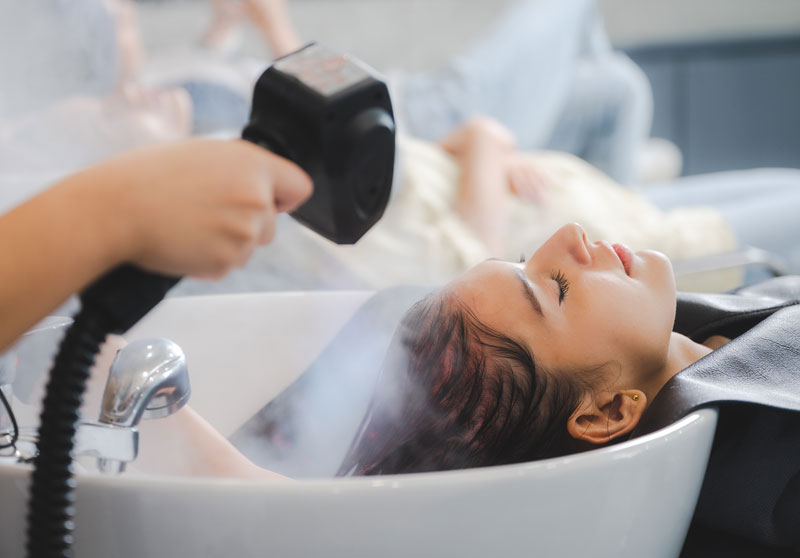
Building a Gentle, Effective Routine
Start with a mild cleansing base. Shampooing 2–3 times per week is sufficient for most people, especially with cooling shampoos that refresh and reduce oil without over-drying. Look for products that contain zinc PCA, chamomile, or aloe to calm the scalp.
Supplement with scalp mists for hydration between washes. These can reduce itchiness and provide antimicrobial benefits while cooling down overheated skin. If you use dry shampoo, alternate with water-based mists to avoid clogging follicles.
Consider SPF scalp sprays during peak sun hours — especially if your part lines or crown are exposed. Consistent scalp sun protection prevents UV-induced follicular weakening that accelerates hair loss in hot weather.
Lifestyle Tweaks That Support Scalp Resilience
Simple daily habits make a big difference. Avoid sleeping with wet hair, which can increase breakage and cause scalp fungal growth. Instead, pat dry and let your hair air dry fully before bed. Also, switch to silk or satin pillowcases to minimize overnight friction.
Stay hydrated. Dehydration thickens the blood and restricts microcirculation to the follicles, which reduces nutrient delivery. Drink plenty of water and consume hair-nourishing foods rich in iron, biotin, and omega-3s to support growth and retention.
Use cooling tools like scalp massagers or jade rollers on warm evenings to reduce follicular tension. These physical methods pair well with your summer hair loss prevention routine and offer a relaxing way to wind down after a hot day.
Conclusion: Your Summer Hair Strategy Starts Now
Focus on gentle, consistent care — protecting your scalp from UV exposure, restoring hydration after sun and swim sessions, and adjusting your lifestyle habits to support healthy growth. With this proactive guide, you’re ready to take on the season with strong, resilient hair.