Hairline Correction in Korea
FUT Hairline Correction
A method in which the skin of the occipital region is removed in a thin strip, and the hair attached to the strip of skin is removed under a microscope and transplanted follicle by follicle
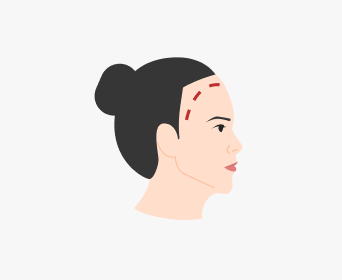
STEP 1
Transplant site design
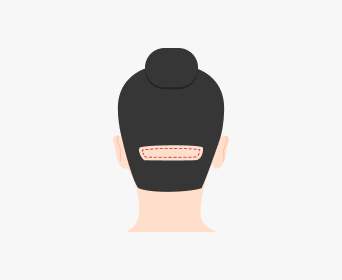
STEP 2
Design and disinfect the collection site
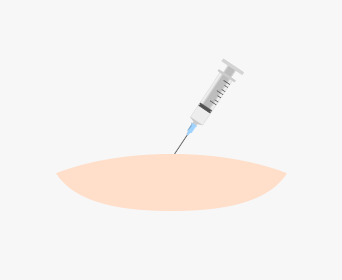
STEP 3
Collection site anesthesia
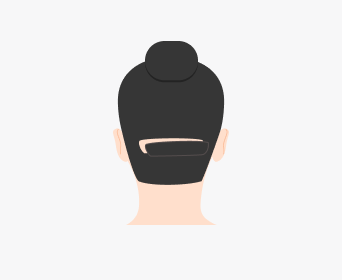
STEP 4
Follicle harvesting and donor-area suturing
STEP 5
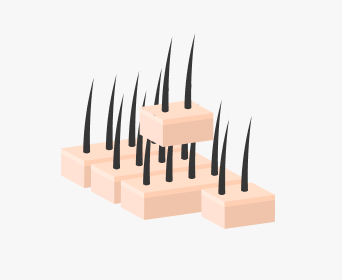
Aqua cutting and microscopic follicle separation
STEP 6
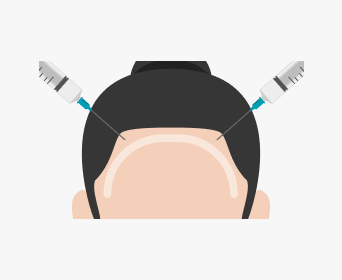
Partial anesthesia at the transplant site
STEP 7
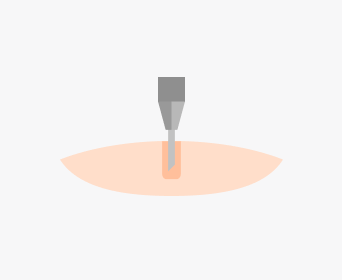
Creating transplant pores with slits
STEP 8
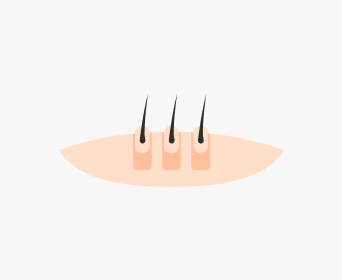
Follicle transplant
Suturing to minimize incisional hair transplant scarring
When suturing the gap left by the hair collection, we wear a high-magnification loupe to find the hair follicle and the gaps between the hair follicles to avoid injuring the follicles.
Over time after surgery, the scars will fade from deep and thick to a pale scar about the size of a fine pencil line.
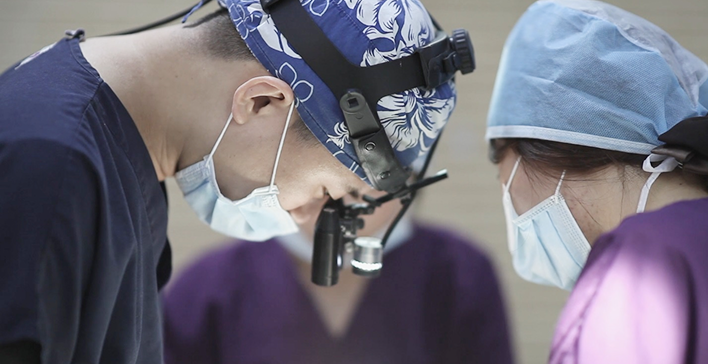
Wearing a high-magnification loupe
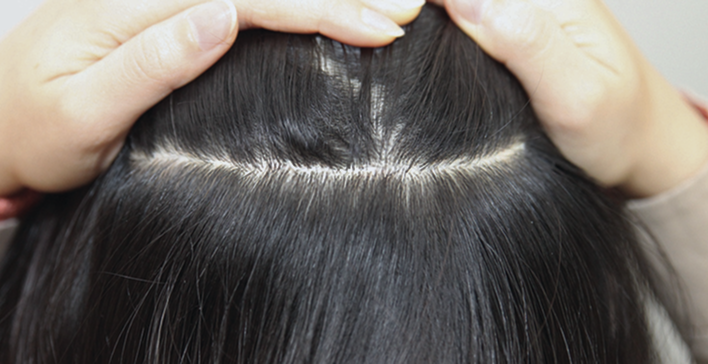
Incisional hair transplant scars
If there's even a 1% chanceof doing something better,
we pursue it, no matter how much effort and cost is required.
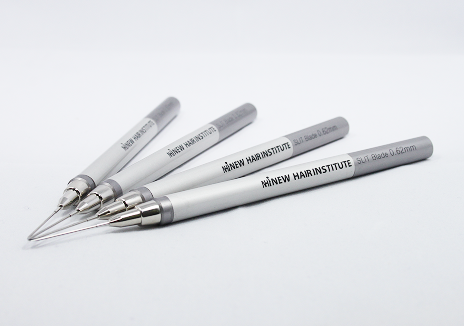
Slit
Engraftment is higher when the maximum number of hair follicles are transplanted into the minimum number of pores.
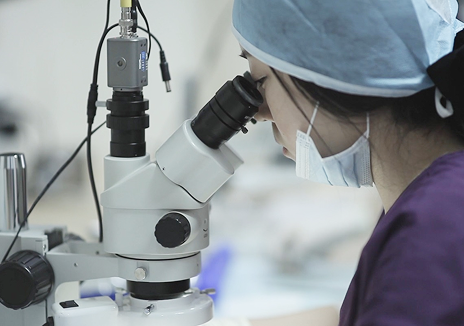
Use a high-magnification microscope throughout the process
A high-magnification microscope is used to assist with careful graft inspection and handling.
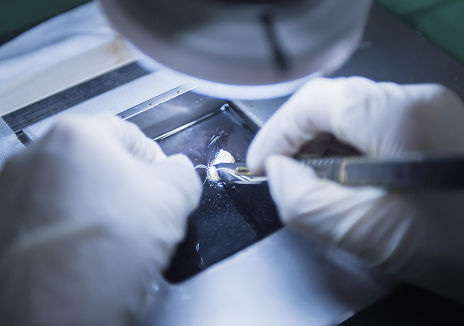
Underwater isolation aqua cutting
Harvested grafts are handled with attention to limiting unnecessary air exposure and maintaining hydration.
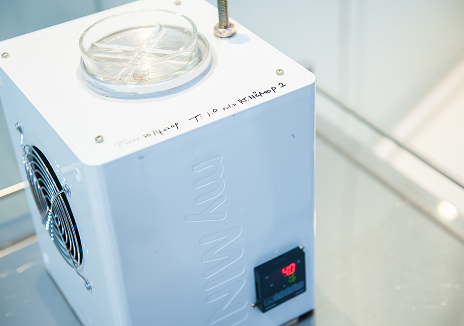
Cold moisture retention device
Keep collected follicles at 4 degrees until just before transplant to minimize heat damage to the follicles

Organ preservation solution
The same organ preservation solution used in liver and heart transplant surgeries is used to keep hair follicles healthy until transplant

Hyperbaric oxygen therapy for effective care after transplant
Hyperbaric oxygen therapy may be considered as part of postoperative care when clinically appropriate, and expected benefits may vary by individual.
FUE Hairline Correction
A method of collecting and transplanting the root part of each hair follicle by follicle using a small cylindrical micro-drill that holds 1-2 hairs
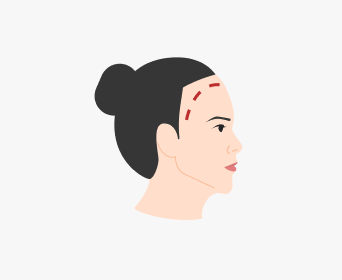
STEP 1
Transplant site design
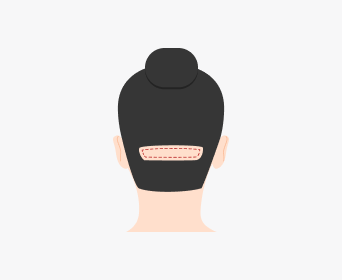
STEP 2
Design and disinfect the collection site
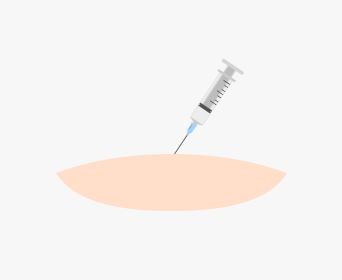
STEP 3
Collection site anesthesia
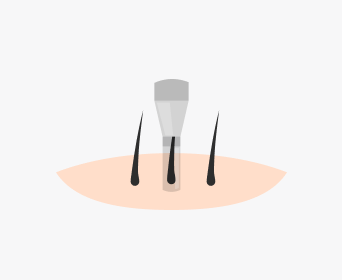
STEP 4
Non-Incisional follicle collection
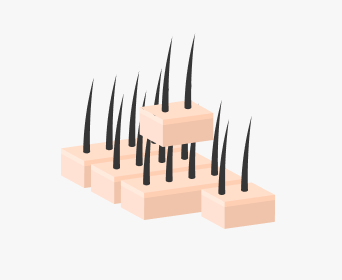
STEP 5
Aqua cutting and microscopic follicle separation
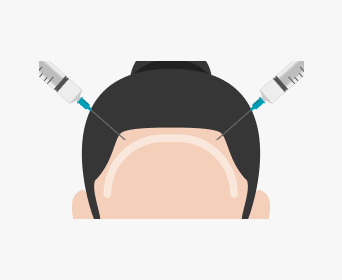
STEP 6
Partial anesthesia at the transplant site
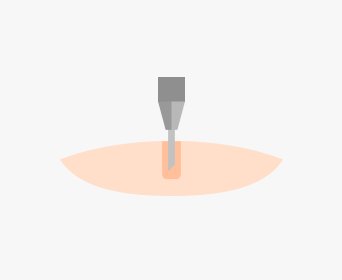
STEP 7
Creating transplant pores with slits
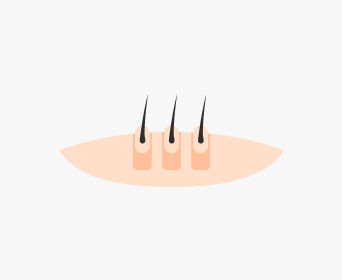
STEP 8
Follicle transplant

2007
refined FUE harvesting technique
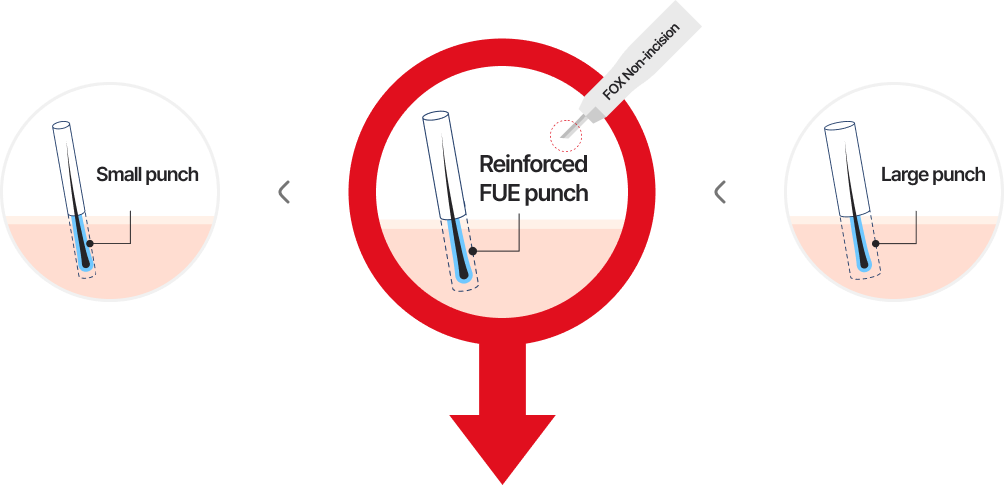
Minimize non-incisional scarring using a
FUE punch
Smaller punches can damage collected follicular cells, and larger punches can leave more scarring than necessary. By using a punch size optimized for your scalp, it minimizes scarring and enables collecting the right amount of follicular tissue.

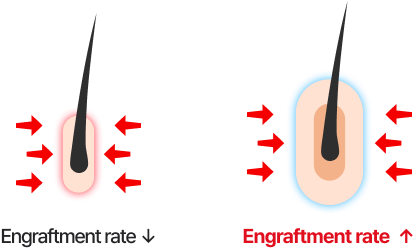
Why does the perifollicular tissue need to be thick?
The less tissue around the follicle, the more susceptible it is to external influences.
This is because there is less cushioning. Less tissue around the follicle makes it more vulnerable to external shock and increases dryness, which is one of the biggest causes of poor engraftment rates.
No-shave FUE designed to reduce visible changes in the donor area
No-shave FUE avoids full shaving. Visibility and donor-area density changes vary depending on the harvesting area, hair length, density, and individual healing.
FUE technique
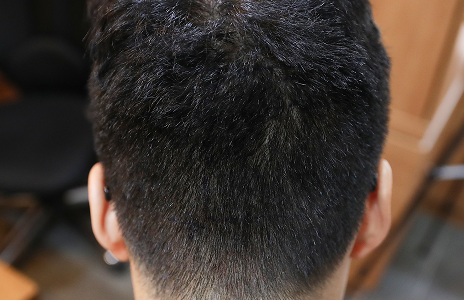
Before pre-cutting
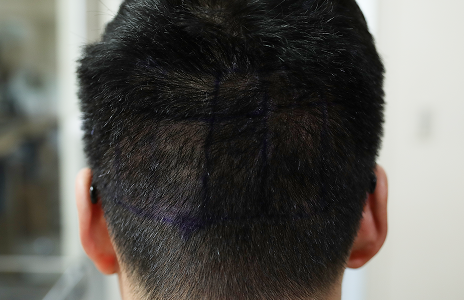
After pre-cutting
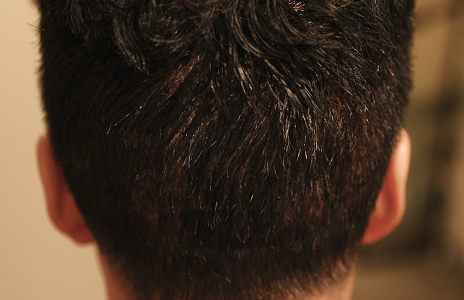
The day after surgery (after shampooing)
If there's even a 1% chanceof doing something better,
we pursue it, no matter how much effort and cost is required.
Slit
Engraftment is higher when the maximum number of hair follicles are transplanted into the minimum number of pores.
Use a high-magnification microscope throughout the process
A high-magnification microscope is used to assist with careful graft inspection and handling.
Underwater isolation aqua cutting
Harvested grafts are handled with attention to limiting unnecessary air exposure and maintaining hydration.
Cold moisture retention device
Keep collected follicles at 4 degrees until just before transplant to minimize heat damage to the follicles
Organ preservation solution
The same organ preservation solution used in liver and heart transplant surgeries is used to keep hair follicles healthy until transplant
Hyperbaric oxygen therapy for effective care after transplant
Hyperbaric oxygen therapy may be considered as part of postoperative care when clinically appropriate, and expected benefits may vary by individual.