3504
Postpartum Hair Regrowth Complete Guide for New Moms
Published
Updated
Views
1882
Hair loss after childbirth is common, but that doesn’t make it any less distressing. For many women, the sudden shedding that follows delivery can feel alarming, particularly when it contrasts so starkly with the thick, voluminous hair they enjoyed during pregnancy.
The good news is: it’s temporary — and manageable. This comprehensive guide explains everything you need to know about postpartum hair regrowth, including timelines, treatment options, expert-backed supplements, scalp care, and real stories from new moms who made it through.
Postpartum Hair Regrowth Timeline
One of the most frequent questions among new moms is: “When will my hair start growing back?” Understanding the typical postpartum hair regrowth timeline is crucial for setting expectations and reducing unnecessary anxiety.
What Happens in the First 6 Months
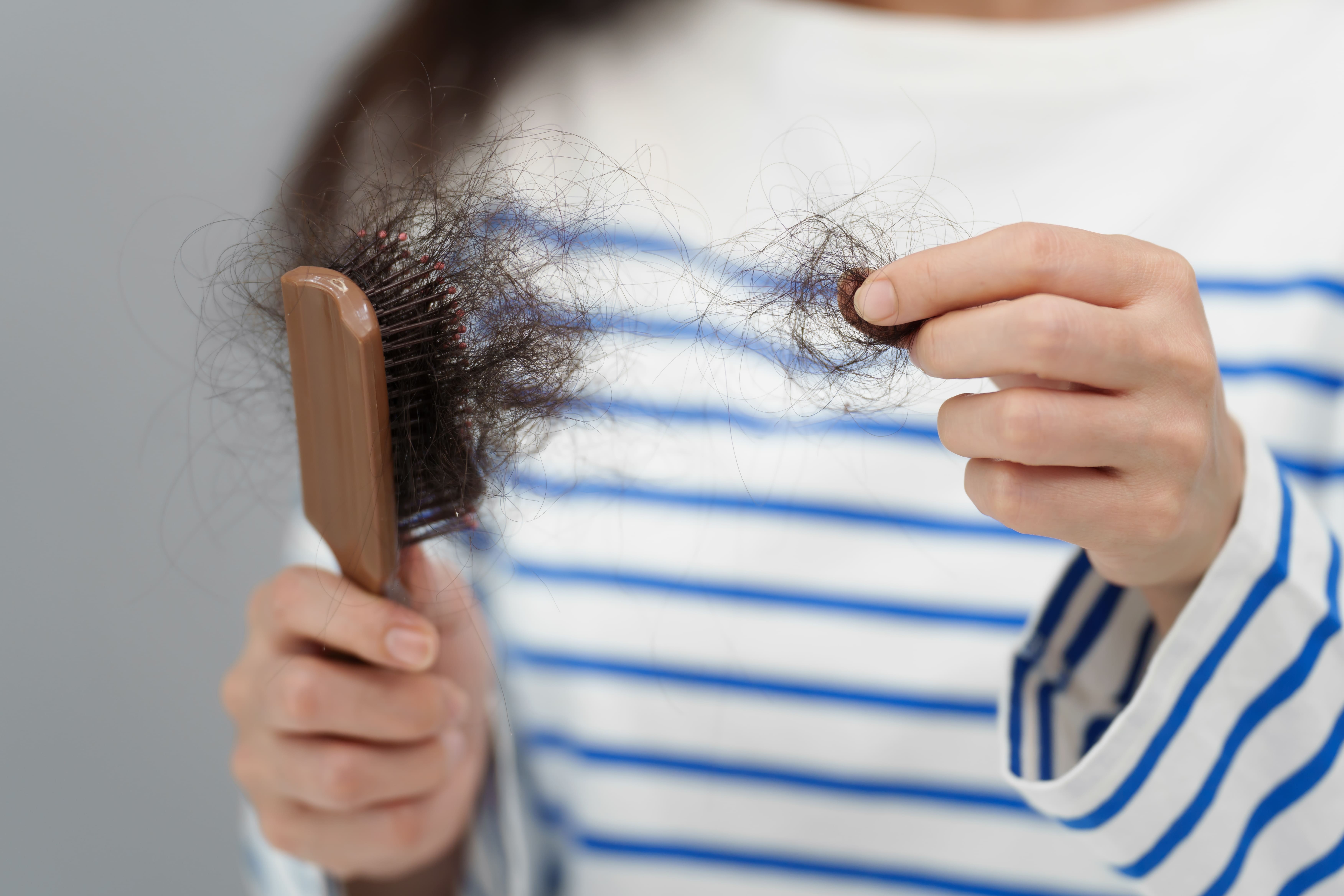
During pregnancy, higher estrogen levels keep hair in the growth (anagen) phase longer, resulting in less shedding and fuller hair. After delivery, estrogen drops sharply. This hormonal shift triggers a process called telogen effluvium, pushing many follicles into the resting (telogen) phase at once.
As a result, around 2–4 months postpartum, many women notice significant postpartum shedding. Hair may come out in clumps, especially when brushing or showering. This is a normal part of the cycle and typically peaks between 3–4 months after birth.
By month six, shedding often slows down. New growth may begin to appear as soft, fine “baby hairs” along the hairline and crown. However, hair density may still feel thinner than before pregnancy, which is why care and consistency during this phase are essential.
What to Expect by 12 Months and Beyond
Most women see considerable improvement by 9–12 months postpartum. The regrowth becomes more noticeable in volume and thickness, and hair cycles begin to normalize. However, for some individuals, especially those with underlying conditions like thyroid imbalance or iron deficiency, full recovery may take longer.
If you’re beyond the one-year mark and still noticing excessive shedding or poor regrowth, it may be time to consult a dermatologist to explore additional support for your hair recovery after pregnancy.
How to Manage Postpartum Shedding
While postpartum shedding is inevitable for most, there are practical ways to reduce its severity and support regrowth. Managing this phase well can lessen emotional stress and help protect the hair that remains.
Gentle Hair Care Practices to Prevent Breakage
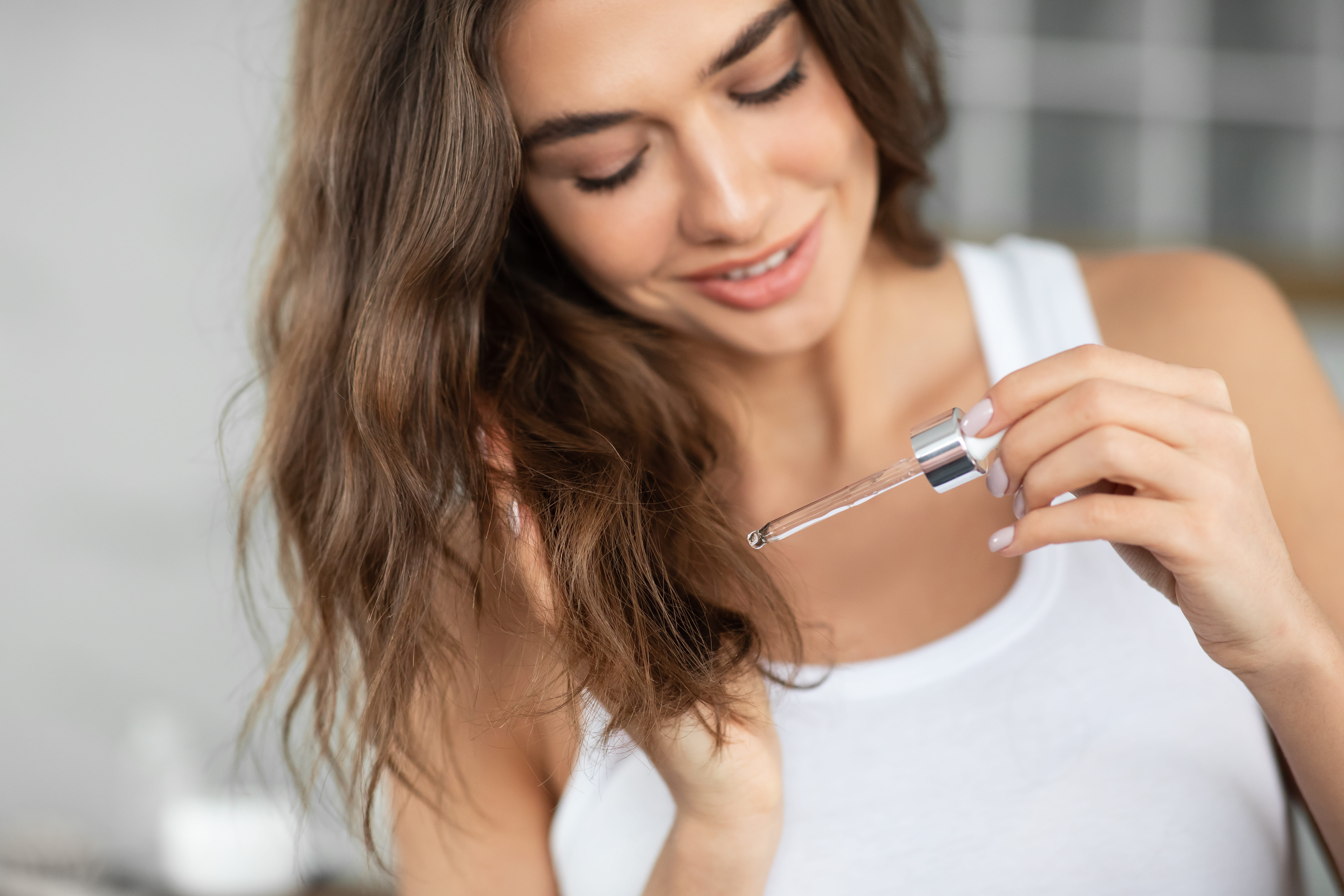
During this period, your hair is more fragile and prone to breakage. Using a wide-tooth comb, avoiding tight hairstyles, and limiting heat styling are essential habits. Opt for gentle, sulfate-free shampoos and nourishing conditioners that don’t weigh hair down.
Incorporating weekly hair masks rich in biotin, keratin, or plant-based oils can also improve strand strength. When drying, blot your hair with a microfiber towel instead of rubbing, which can further damage delicate regrowing strands.
Reducing wash frequency to 2–3 times a week can prevent unnecessary manipulation, while postpartum scalp care ensures follicles remain healthy and functional.
Emotional Coping Strategies for Hair Loss Anxiety

The visual aspect of shedding can be emotionally challenging. Some women experience a drop in confidence or anxiety about their appearance. Remind yourself that postpartum shedding is temporary and a result of natural hormone changes.
Joining online communities of new moms or speaking with a postpartum coach can help. Journaling your regrowth process or taking progress photos monthly may provide reassurance as baby hairs begin to return.
Top Supplements for Hair Recovery After Pregnancy
Diet plays a significant role in how quickly and effectively your hair recovers after childbirth. Even with a balanced diet, many new mothers experience nutrient depletion due to the demands of pregnancy, childbirth, and breastfeeding. Supplements for postpartum regrowth can help bridge the gap.
Key Vitamins and Minerals for Hair Regrowth
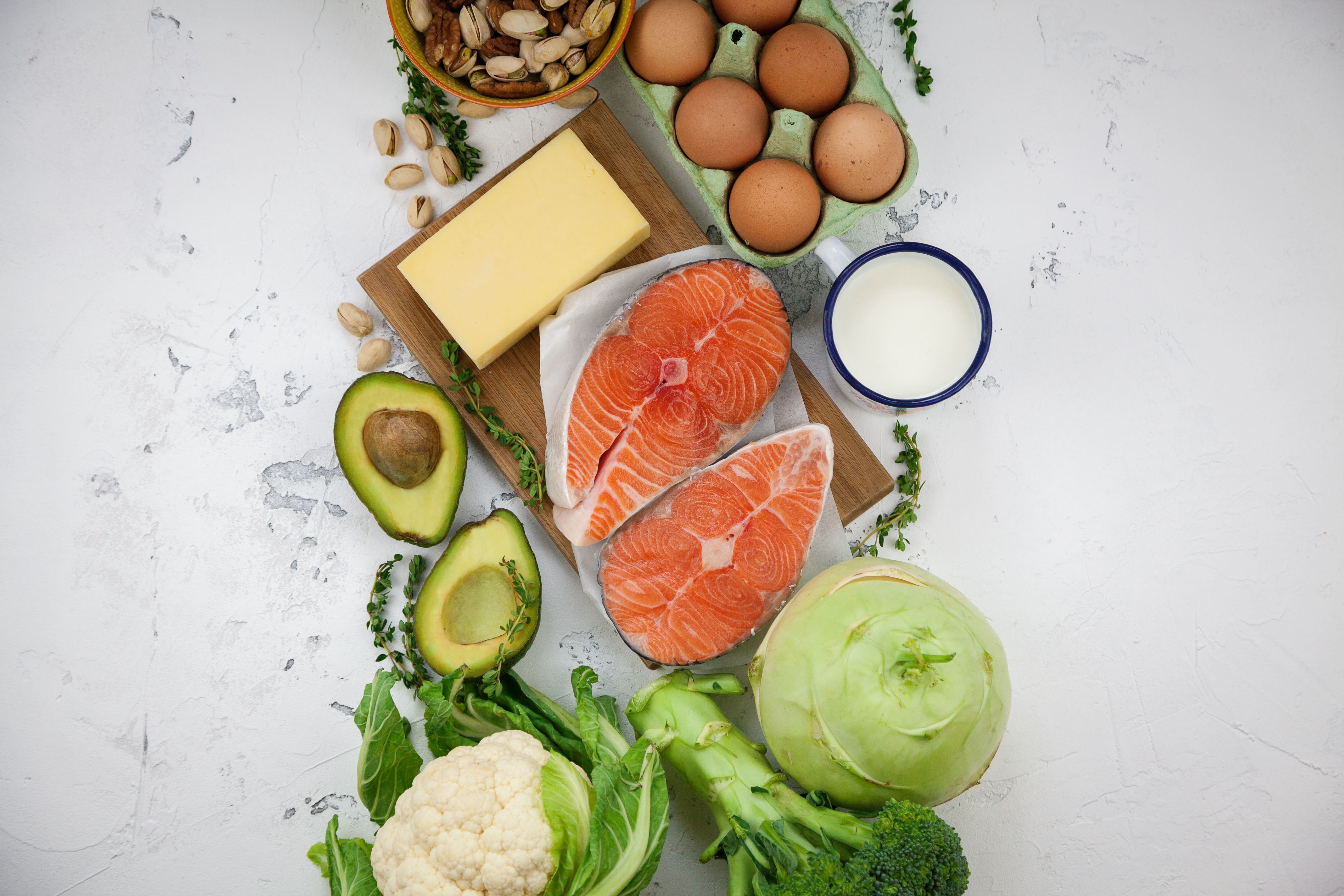
The most effective postpartum supplements usually contain a combination of the following:
- Biotin (Vitamin B7) – Supports keratin production and follicle growth.
- Vitamin D – Regulates the hair cycle and may help reduce shedding.
- Iron – Vital for oxygen delivery to hair follicles, especially important if postpartum bleeding was heavy.
- Zinc – Encourages cell regeneration and immune function.
- Collagen – Supports skin elasticity and scalp health.
- Omega-3 fatty acids – Help reduce inflammation around the hair follicles.
It’s important to choose a supplement that is third-party tested, free of unnecessary fillers, and designed for new moms or postpartum recovery.
When to Start and How Long to Continue
Most healthcare providers recommend beginning or continuing a prenatal/postnatal supplement for at least 6–12 months postpartum, especially if breastfeeding. However, before starting any new supplement, consult your doctor to ensure it doesn’t interfere with any other conditions or medications.
Consistency is key. Results from postpartum hair regrowth supplements are gradual, often taking 8–12 weeks to show visible improvement.
Postpartum Scalp Care Tips for New Moms
Healthy regrowth starts with a healthy scalp. After childbirth, fluctuating hormones can cause increased oiliness, dryness, or sensitivity in the scalp. Establishing a consistent postpartum scalp care routine will help create the optimal environment for hair renewal.

Scalp Massage and Exfoliation Techniques
Regular scalp massage promotes blood flow to the follicles and helps loosen buildup. Use your fingertips or a silicone scalp massager for 5–10 minutes a day, ideally before washing. Adding nourishing oils like rosemary, argan, or castor oil enhances the benefits and can support natural hair regrowth.
Exfoliation is also helpful to remove dead skin and product residue. Look for scalp scrubs with gentle acids like salicylic or lactic acid. Use them 1–2 times per week to keep the scalp clear and free from obstruction.
Choosing the Right Shampoo and Treatments
Look for shampoos labeled as strengthening, volumizing, or designed for postpartum hair. Avoid formulas with sulfates, silicones, and drying alcohols. Lightweight scalp serums that include caffeine, peptides, or niacinamide can stimulate follicles and soothe irritation.
Leave-in scalp mists are also becoming popular in postpartum scalp care, offering hydration and mild anti-inflammatory effects throughout the day — especially helpful if your scalp feels itchy or warm.
New Mom Hair Restoration: Real Stories & Solutions
Every postpartum journey is unique. Hearing from others who’ve gone through it — and come out stronger — can offer both inspiration and practical advice. This section shares how real women handled their new mom's hair restoration and what actually worked for them.
When to Seek Professional Help
If you’ve tried lifestyle changes, supplements, and gentle care but still see no improvement after 12 months, it may be time to consult a trichologist or dermatologist. Conditions like postpartum thyroiditis, alopecia areata, or nutritional deficiencies can all affect regrowth.