3509
Hair Transplant Scar Concealment Complete Guide
Published
Updated
Views
1265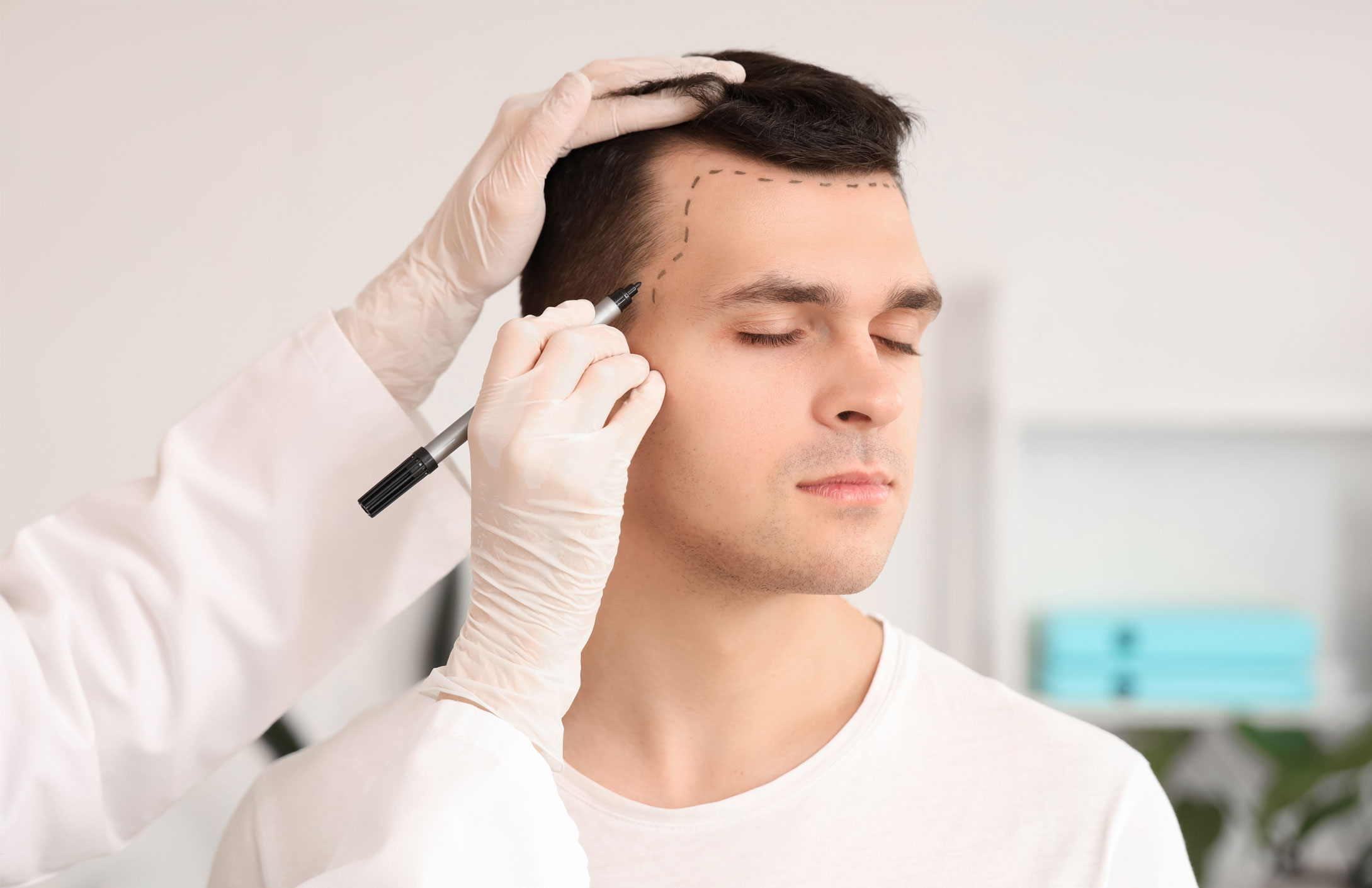
Hair transplant surgery has helped millions restore confidence and natural hairlines. But for some, the lingering issue of visible scarring can overshadow the benefits. Whether you’ve undergone FUT or FUE, or you’re planning a procedure and want to be prepared, understanding hair transplant scar concealment options is essential.
From cutting-edge techniques like scalp micropigmentation for scars to natural coverage with regrowth, this guide explores the most effective strategies for minimizing and camouflaging hair transplant scars.
Top Techniques for Hair Transplant Scar Concealment: SMP, FUE, and More
Not all hair transplant scars are alike, and neither are the solutions. Different concealment approaches can be used based on the type, location, and severity of the scar — whether linear FUT scars or dot-pattern FUE scars.
1. Scalp Micropigmentation (SMP) for Scar Camouflage
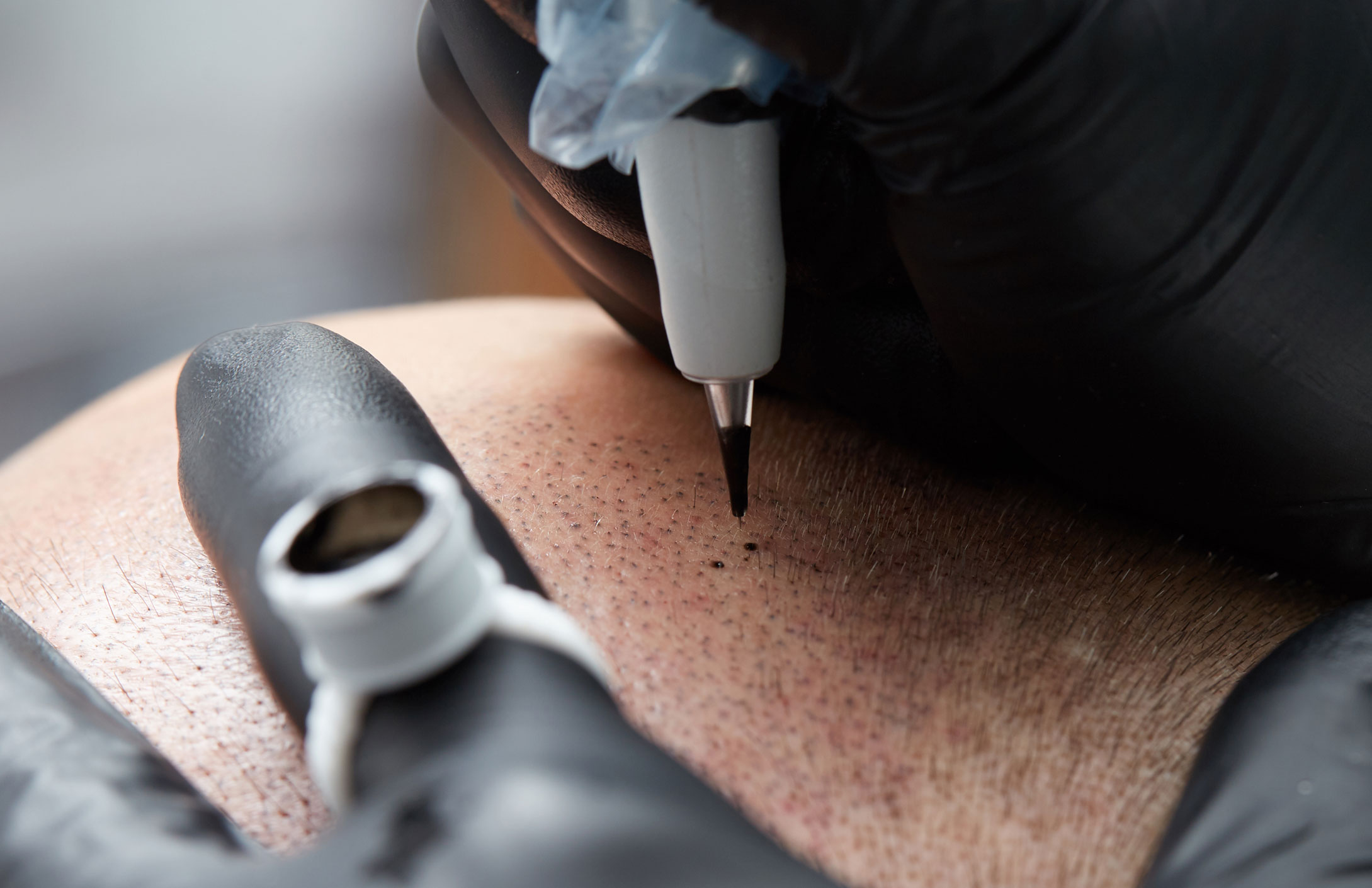
Scalp micropigmentation (SMP) has emerged as a leading technique for scar camouflage. This procedure uses pigment dots deposited into the scalp to replicate the appearance of hair follicles. It’s especially effective for camouflaging linear scars from FUT (strip) procedures or sparse areas from FUE.
However, SMP isn’t a tattoo. It requires precision, proper pigment selection, and long-term maintenance. Over time, pigments may fade, especially if exposed to UV rays, so touch-ups are usually needed every few years.
Not all hair transplant scars are alike, and neither are the solutions. Different concealment approaches can be used based on the type, location, and severity of the scar — whether linear FUT scars or dot-pattern FUE scars.
2. Graft Redistribution & FUE into Scar Tissue
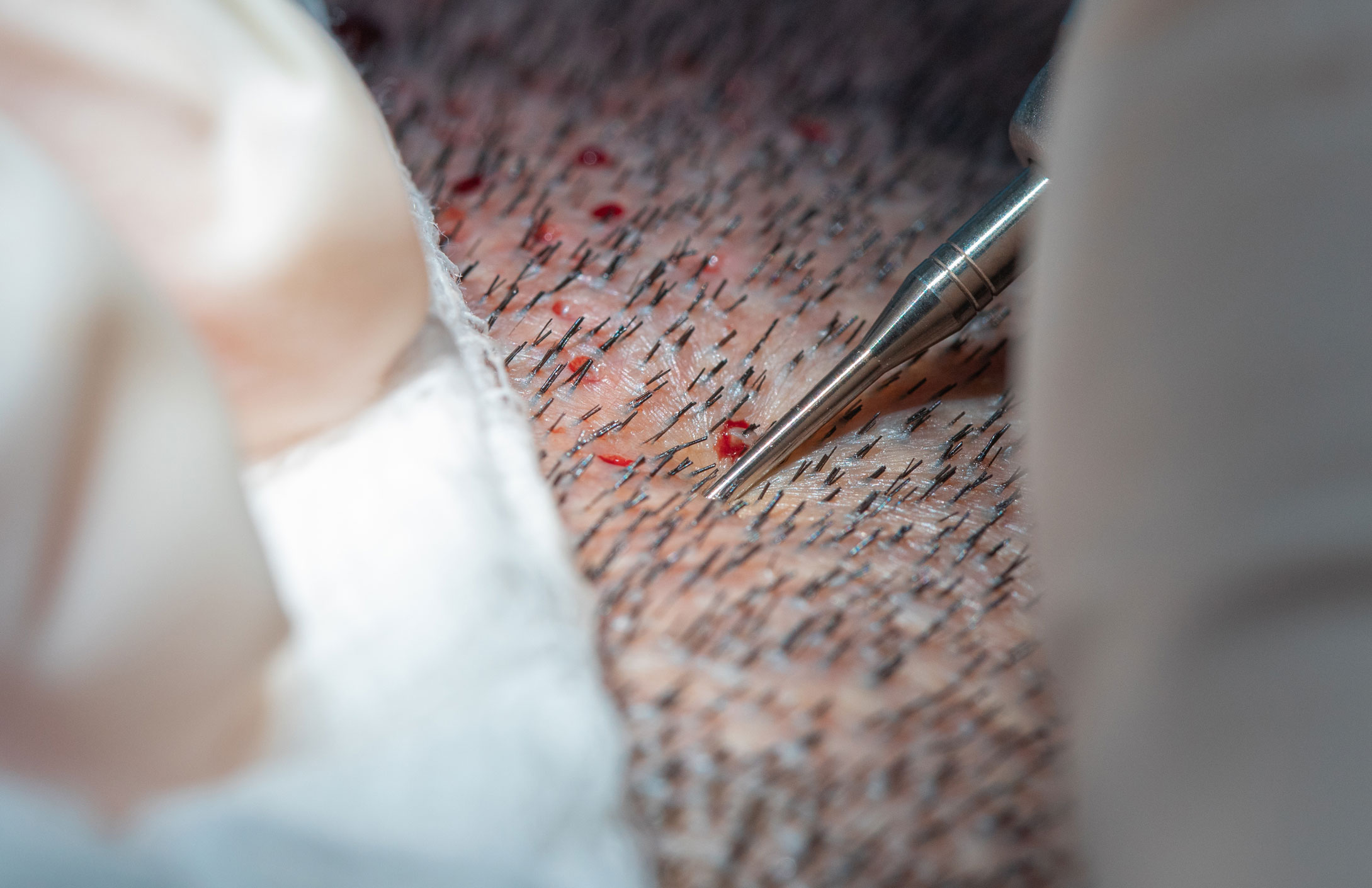
One advanced technique involves transplanting FUE grafts directly into scar tissue. This can be an excellent option for patients with wide or raised scars where pigmentation alone isn’t enough. Follicular Unit Extraction (FUE) is used to harvest donor hairs and implant them into the scar area to promote coverage and hair growth.
While scarred tissue may have reduced blood supply, success rates can still be significant if planned correctly. Results often depend on the thickness, vascularity, and texture of the scar. This method is often paired with SMP for a more complete aesthetic restoration.
How Long Do Hair Transplant Scars Stay Visible? Healing Timeline Explained
Understanding the hair transplant scar healing timeline can help set realistic expectations and plan concealment strategies appropriately.
Healing Stages of FUT vs. FUE Scars
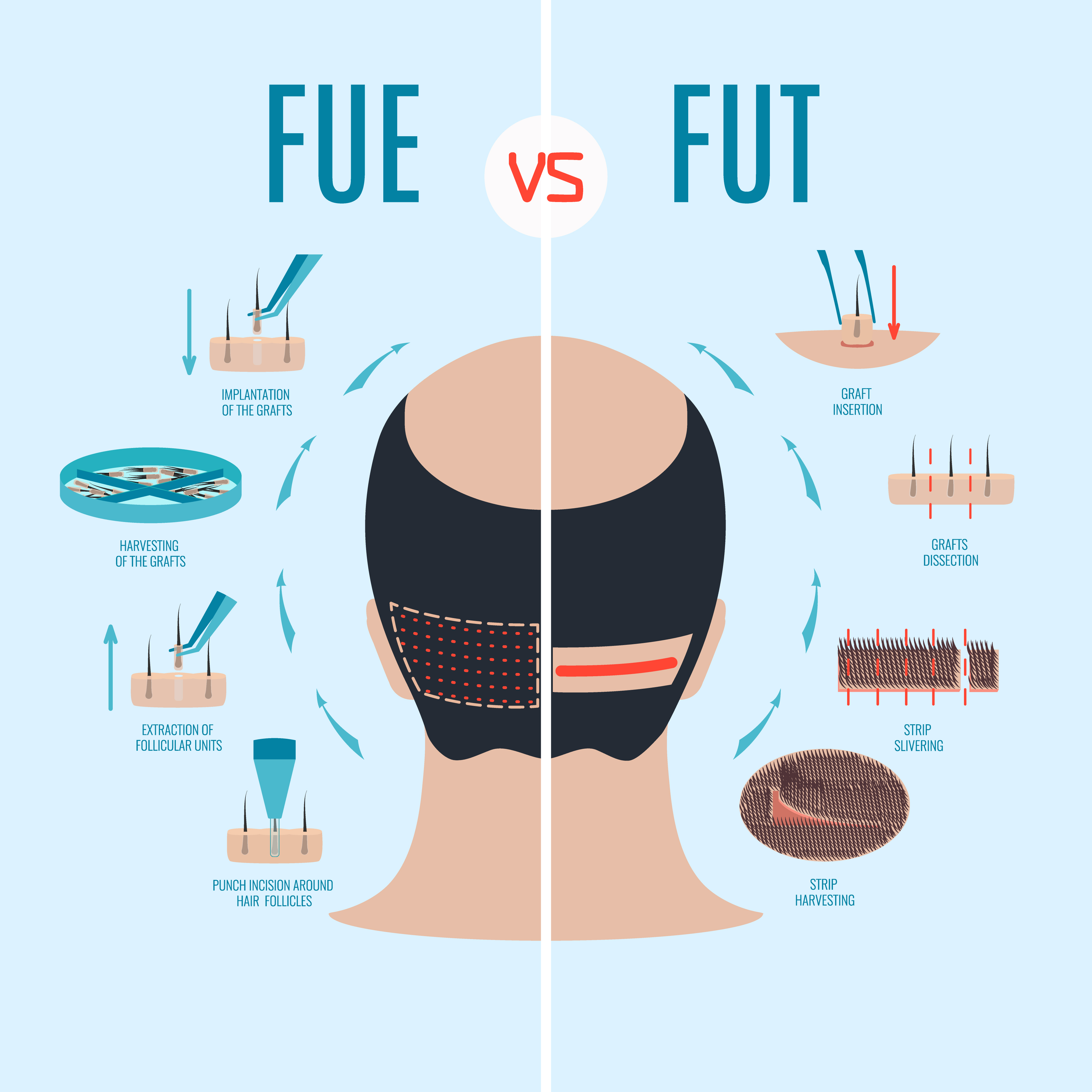
FUT procedures typically leave a linear scar at the donor site, whereas FUE creates tiny dot scars scattered across the scalp. Regardless of method, initial healing takes place within 1–2 weeks, during which redness, scabbing, and tenderness may be noticeable.
Over the next 2–3 months, the skin gradually remodels. Linear scars may flatten and fade, while FUE scars often become barely visible to the naked eye. However, complete scar maturation — when the color, texture, and elevation stabilize — can take up to 12–18 months.
The visibility also depends on individual skin type, healing ability, and surgical technique. Patients with keloid-prone skin or darker complexions may notice prolonged discoloration or raised scars. Consulting your surgeon for post-op scar care (like silicone gels or microneedling) can improve long-term outcomes.
When Is It Safe to Consider Scar Camouflage Treatments?
Most scar camouflage techniques should be delayed until the tissue is fully healed. This means waiting at least 6–9 months before undergoing SMP or FUE into scar tissue. Attempting treatment too early may cause poor pigment retention, infection, or poor graft survival.
It’s essential to discuss the timing with your specialist, who may recommend a scar assessment using digital imaging or trichoscopy before proceeding.
Can New Hair Growth Cover Transplant Scars Naturally?
For many patients, the ideal scenario is that new hair growth from the transplant itself will naturally cover any scars. But how realistic is this expectation?
Coverage Potential Depends on Density and Direction
In some FUE cases, regrown hair near the scar site can blend in well, especially if the hair density is sufficient and the angle of implantation aligns correctly. However, for FUT scars — especially if they’re wide or stretch over time — full coverage with natural growth alone is unlikely without additional intervention.
Additionally, as patients age or experience additional hair thinning, areas that once concealed scars may become more exposed. This is why long-term scar visibility should always be considered during transplant planning.
Boosting Natural Coverage with Hair Fibers or Styling
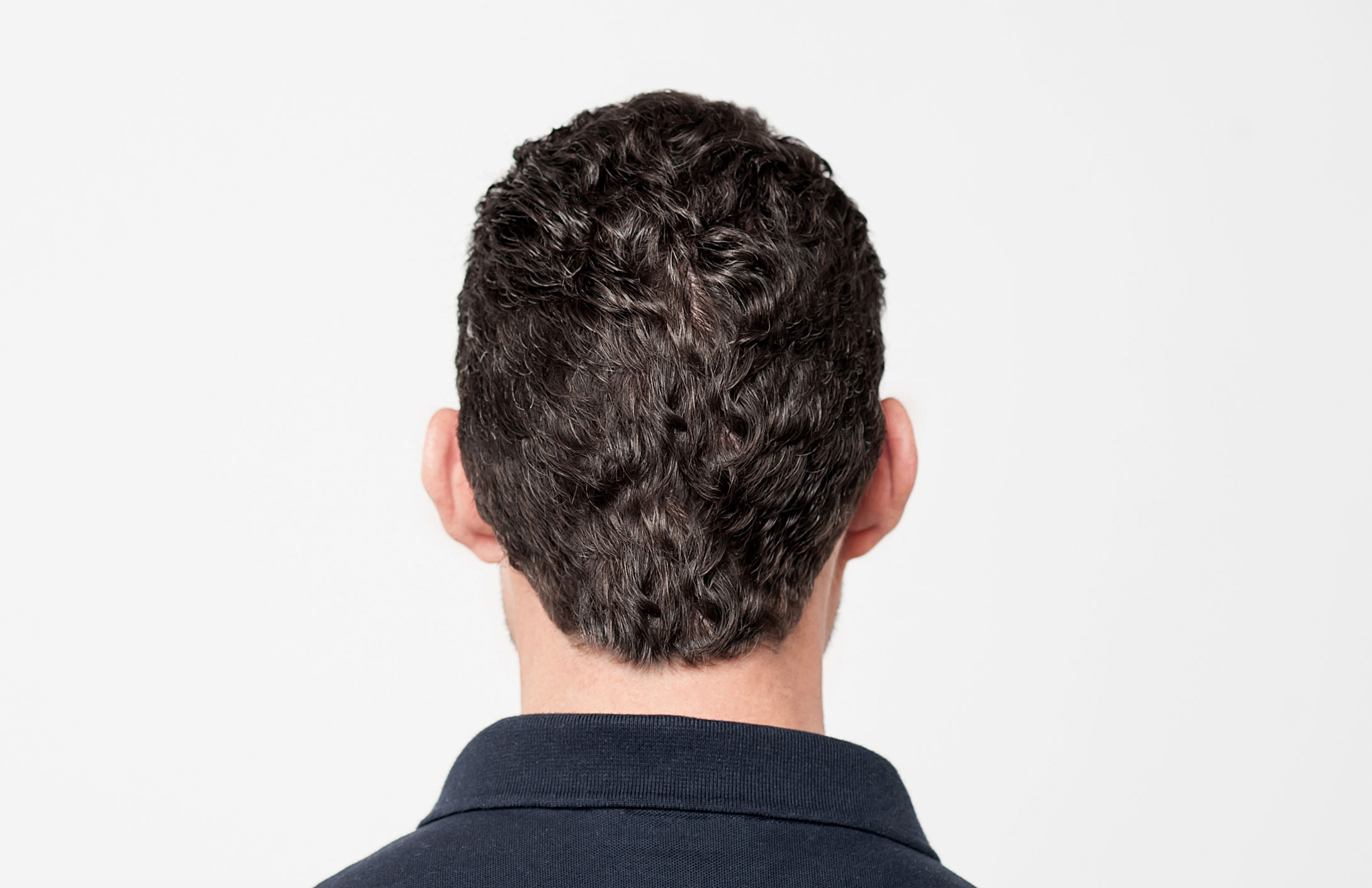
While not permanent solutions, cosmetic scar camouflage techniques like hair fibers or root sprays can help reduce contrast between hair and scar tissue. Strategic styling — such as longer hair at the back or fade-freecuts — can also improve visual blending.
These techniques work best when used alongside other treatments like SMP or grafting, especially for special occasions or daily confidence boosts.
SMP for Scalp Scars: Is It Worth It? Real Results & Cautions
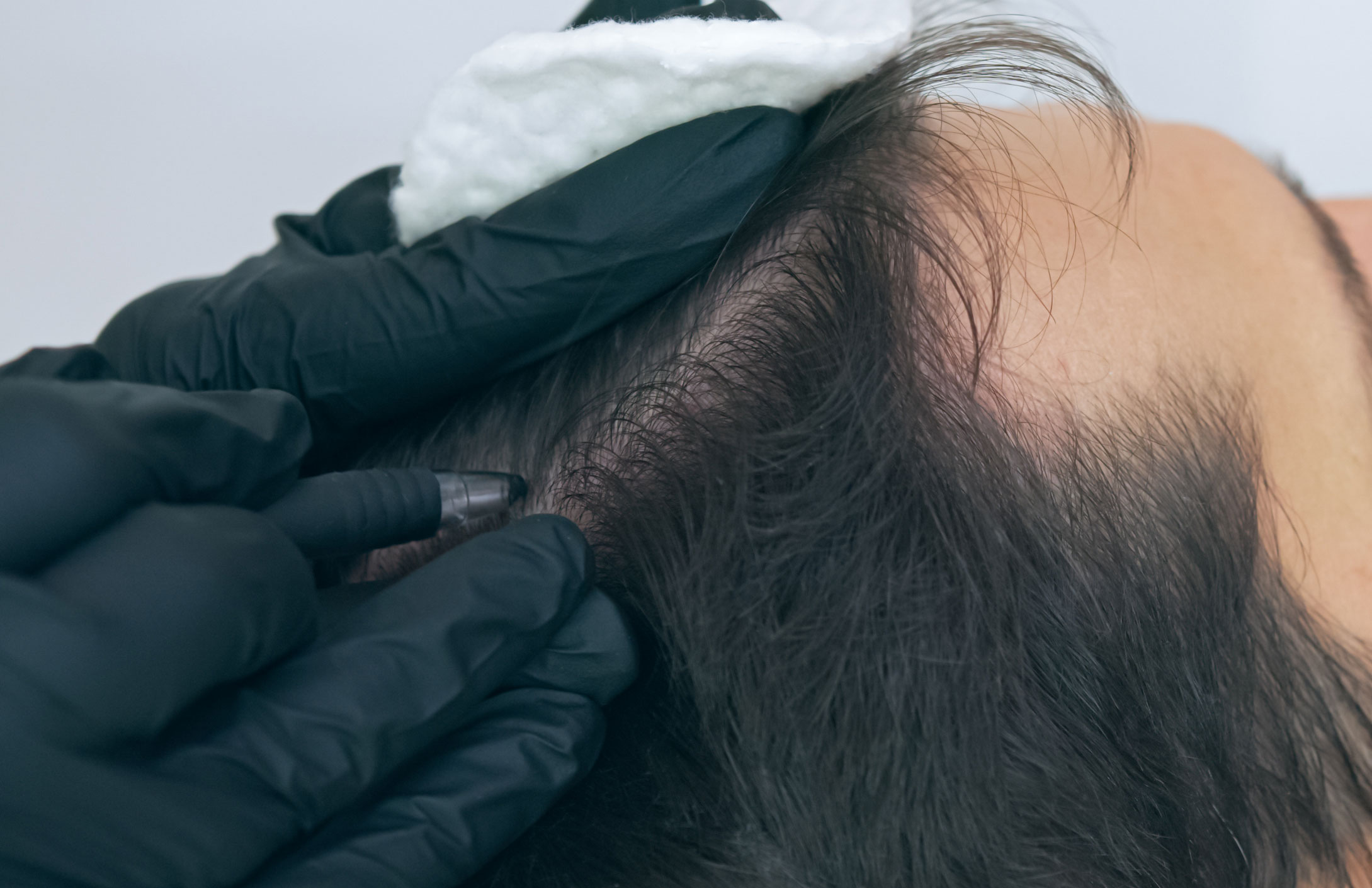
Scalp micropigmentation for scars is one of the fastest-growing solutions in hair restoration aesthetics. But as with any cosmetic procedure, it’s essential to weigh both results and risks.
Realistic Expectations and Results
SMP can provide impressive results for both FUT and FUE scars when done by trained professionals. Many patients report feeling more confident, wearing shorter hairstyles, and no longer feeling the need to “hide” the back of their heads.
However, results can vary. Pigment migration, color mismatch, or uneven application may occur if the procedure is done by inexperienced practitioners. That’s why choosing a clinic with experience in scar camouflage is critical.
The best SMP outcomes come from layered sessions, where color is gradually built up. This allows for better pigment saturation and more natural-looking density over scarred tissue.
Risks, Side Effects, and Long-Term Maintenance
SMP is generally low-risk, but side effects can include redness, swelling, or temporary sensitivity at the application site. In rare cases, allergic reactions or pigment rejection may occur, especially if non-medical-grade inks are used.
Maintenance-wise, touch-ups are often needed every 2–4 years, depending on your skin type, sun exposure, and aftercare. To minimize fading, use sunscreen on the treated area and avoid harsh exfoliants.
For patients considering SMP for scalp scars, consultation with both a dermatologist and certified SMP technician is ideal. They can help determine scar condition, pigment suitability, and potential outcomes.
Conclusion: Choosing the Right Scar Concealment Strategy
Deciding how to manage hair transplant scars is deeply personal and depends on the scar type, lifestyle, hair length preferences, and emotional comfort. Fortunately, modern advancements in scar camouflage techniques, especially SMP and targeted FUE, have made it easier than ever to restore confidence after surgery. Whether you opt for a natural look through hair regrowth or choose a cosmetic solution like pigmentation, understanding your options puts you in control of the outcome.
Remember that no single approach works for everyone. It's important to consult with both a skilled hair restoration surgeon and an experienced SMP technician to assess your unique case. A combination approach often yields the most natural and satisfying results. With patience, professional guidance, and consistent aftercare, transplant scars don’t have to define your hair journey.